Artificial Intelligence in Education: Opportunities, Challenges, and the Future of Learning
By Ritika
Artificial intelligence is a revolutionary technology, challenging the age-old norms and traditions in education. Its strength lies in being easy to operate and the ability to manipulate tons of information at once, but this advancement has a huge cost that the working class has to pay. While it may seem as a lifesaver for learners of all age groups, it is important to address the harms and detrimental impacts of it. Regulatory norms and interventions are the need of the hour for the fruitful use of artificial intelligence in education without bearing the cost of decreased educational engagement.
The first humans walked on Earth six million years ago. Till then to now, humans have not only survived on this once barren piece of land, but now also, calling it a cozy home, owing to the art of mastery of instructions. Teaching is the oldest profession in the world, it is not merely an income-generating employment, but over centuries it has stood the test of time for being adaptable and accommodable in approach. It is not merely an act of passing on curriculum information available in books. It is a tool that has helped humans become the most intelligent and advanced species on this planet. Over the years, the act of teaching has been able to adapt itself to the demands of the changing times. Whether it be the gurukuls of ancient India or the online classes of the COVID-19 era, times have proven over and over again that even when the world stops, the only thing that breaks the silence is the echoes of a teacher. After years of history and countless adaptations, the world is ready to add a new chapter in the teaching curriculum, which is the integration of AI to enhance the effectiveness of the teaching approach.
Traditional education: Tried and Tested
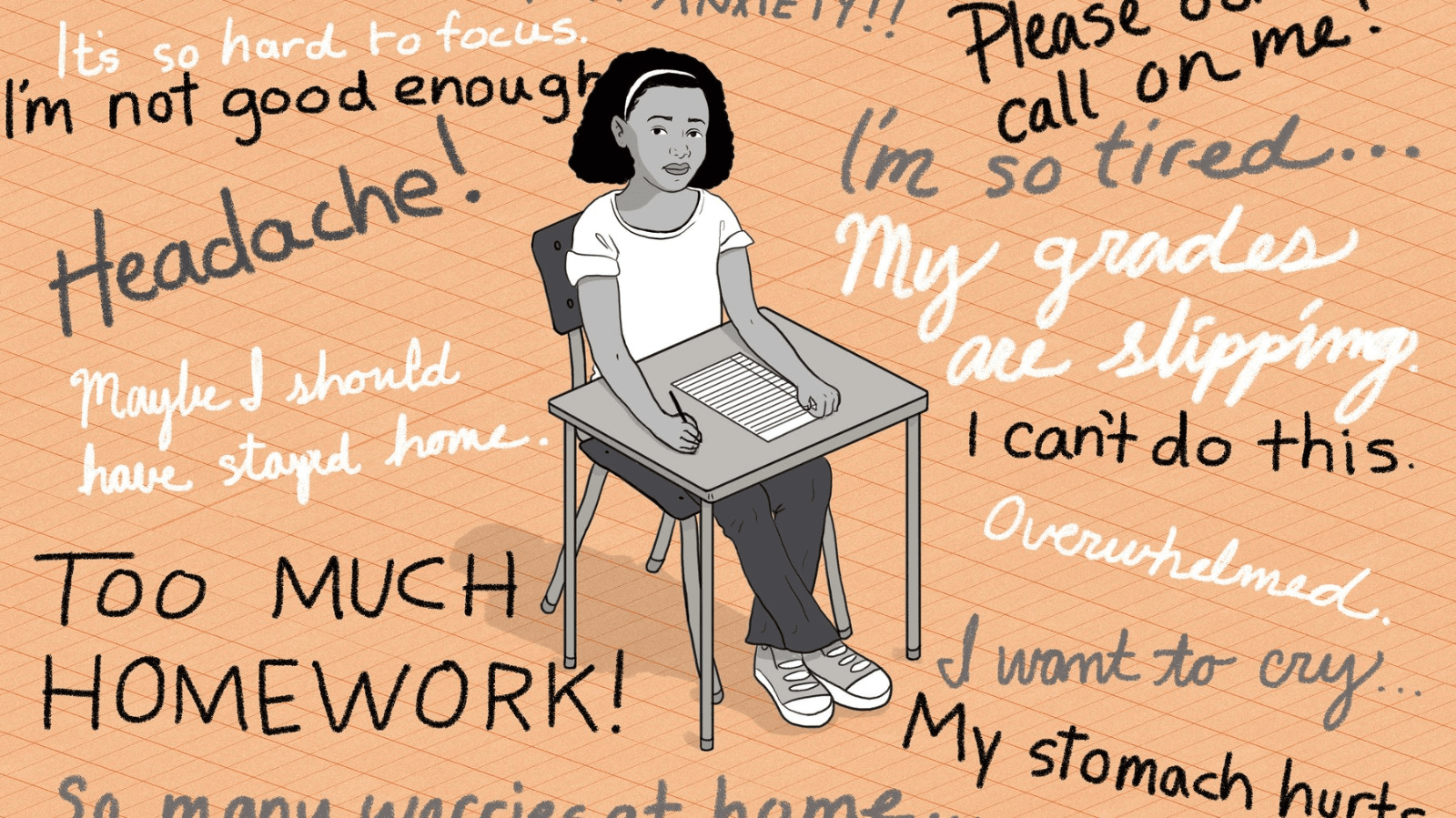
Traditional blackboard and lecture teaching methods have been around for decades and are known for their simplicity and replicability. They are cost-effective and suitable for teaching a substantial amount of course material, making it particularly advantageous for instruction in large, crowded classrooms. While this pedagogical approach offers several advantages, its application without the active engagement of students may foster a passive learning environment, leading to the development of a superficial understanding rather than deep learning (Beigzadeh,2016).
Traditional methods are like assembly lines in factories, aiming for mass production, where every product is the same and any distinct one is discarded. This is the situation of the current education system homogeneity is encouraged, and anyone who dares to question and gets out of the production line is discouraged, which not only hinders productivity but also kills curiosity in the process. Reforms in education are the need of the hour because the changing times demand a holistic and all round development, which the traditional teaching methods fail to provide.
Traditional teaching emphasizes a one-size-fits-all approach, where there is a singular teaching approach for all, where the teacher is the centre, and the teaching process emphasizes integrity and little creative space for students. Its main objective is to listen to the teacher, store the knowledge, and rewrite everything in exams. These copy-and-paste methods make countless students lose interest in teaching, and the ones left become uncreative and passive thinkers as a result. In this process, students’ exploration for knowledge is ignored, it is just a formal shortcut that turns a vivid process of conclusion formation into monotone and rigid memorization of articles (Hu,2024). It focuses on Rote memorization with limited teacher interaction and a fixed curriculum (Pen,2025).
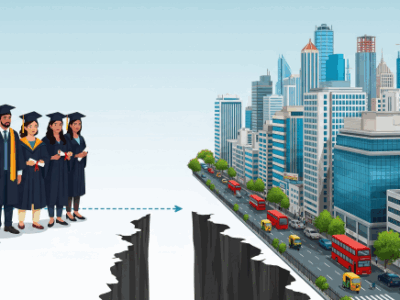
Crossing The Bridge Of Transformation
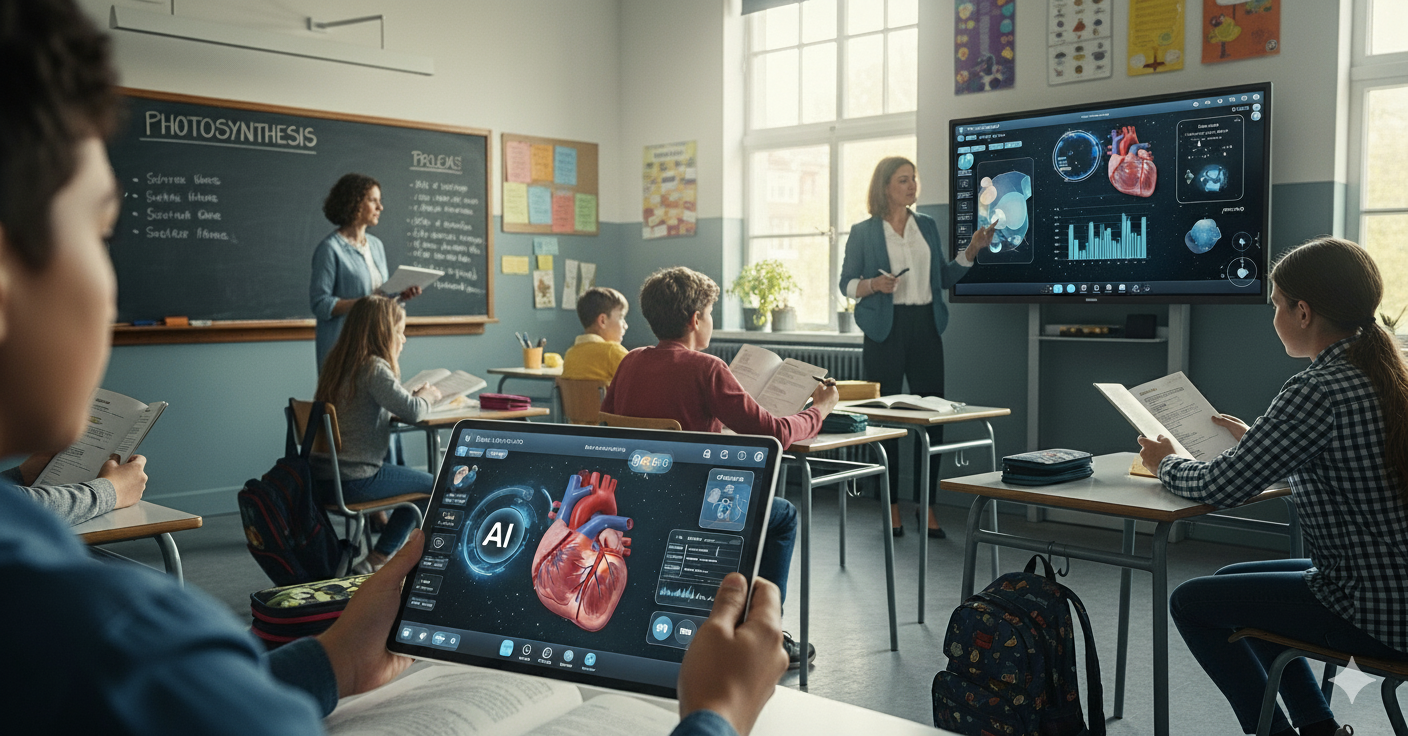
Traditional teaching methods have a very limited practical application. These drawbacks of traditional education make them outdated, and only further amplify the need for integration of artificial intelligence in learning. The use of artificial intelligence in learning offers significant benefits, including personalized learning, improved academic outcomes, and enhanced student engagement (Petrea, 2025). It is also helpful in promoting inclusive education by providing large language models, helping students with cognitive, visual, and auditory challenges engage more effectively with the teaching process .AI not only helps students become better learners but also helps teachers become better facilitators. In a study done in Queensland, it was concluded that AI helped reduce teachers’ load by 25% (News.com.au, 2024).
If used strategically, AI can help make education more effective. Countless institutions and individuals have emphasized the positive experience with AI tools. A study done by Henze in 2024 on the role of AI on motivation and stress showed that the AI interface substantially enhanced the learning experience, underscoring its role in affective dimensions critical for sustaining student interest and reducing stress.
In another study done by Ward in 2024 on study habits of students, it was found that using AI tools reportedly improved the study habits of students, helping in time management, providing real-time feedback, and making studying more efficient. It also helped in reducing the total study time of students while simultaneously increasing GPA, indicating better academic performance.
AI is Not A Magical Shortcut
The integration of Artificial Intelligence in education has transformed academic learning, offering both opportunities and challenges for students’ holistic development. However, challenges such as over-reliance on AI, diminished critical thinking skills, data privacy risks, and academic dishonesty were also identified. AI is a revolutionary change in education, but many use it as a dishonest means to bypass others ‘ hard work. Such instances of cheating and dishonesty emphasize the necessity of a structured framework for AI integration, supported by ethical guidelines, to maximize benefits while mitigating risk (Petrea, 2025).
Apart from the intrinsic variables, several extrinsic factors also act as obstacles for AI integration in education, such as technical complexity, lack of training for educators, insufficient resources, slow internet, and large classroom strengths. Such variables act as systematic barriers for the wide acceptance of AI integration in education (Mehdaoui, 2024). Along with teachers, students also face similar problems in using AI, citing a lack of familiarity and a preference for traditional teaching methods. This shows that student adoption is not guaranteed awareness, perceived relevance, and integration into the learning workflow are key for AI uptake in educational settings (Sullivan, 2025).
Conclusion
Use of Digital tools in education and teaching is a revolutionary and significant step for making education more accessible and accommodating, but they do come with their harms. To make them safe and healthy learning tools, they should be used with care and knowledge so that they help enrich knowledge and creativity, and not become a tool to cheat on hard work. The coming times are only going to see a rise in the use of artificial technology in not only education but also various spheres of life. This makes it even more essential to regulate AI for its safe use, providing better training to the educators, conducting internet safety workshops with learners, and imposing strict guidelines on unauthorized use can help prevent unlawful activities in this domain. Artificial intelligence has a long way to go to be accepted at par with traditional teaching, but its impact and usefulness are undeniable. Reforms and better guidelines can help close the gaps and loopholes in AI education, making it a groundbreaking tool for education equality for all.
Ritika is a Policy Research and Advocacy Intern at SarkariSchool.in and is currently pursuing Master’s in Psychology from the Department of Psychology, University of Delhi. Please write your comment at [email protected].
References
Beigzadeh, A., & Haghani, F. (2016). Active learning methods: A way of tackling large classroom setting, perspective. Development of Medical Education, 13, 107–113.
Gupta, A., & Yadav, R. (2024). Analyzing the impact of AI tools on student study habits and academic performance [Preprint]. arXiv. https://arxiv.org/abs/2412.02166
Hanshaw, G., & Sullivan, C. (2025). Exploring barriers to AI course assistant adoption: A mixed-methods study on student non-utilization. Discover Artificial Intelligence, 5(178). https://doi.org/10.1007/s44163-025-00312-x
Henze, J., Bresges, A., & Becker-Genschow, S. (2024). AI-supported data analysis boosts student motivation and reduces stress in physics education [Preprint]. arXiv. https://arxiv.org/abs/2412.20951
Hu, J. (2024). The challenge of traditional teaching approach: A study on the path to improve classroom teaching effectiveness based on secondary school students’ psychology. Lecture Notes in Education Psychology and Public Media, 50(1), 213–219. https://doi.org/10.54254/2753-7048/50/20240945
Mah, D.-K., & Groß, N. (2024). Artificial intelligence in higher education: Exploring faculty use, self-efficacy, distinct profiles, and professional development needs. International Journal of Educational Technology in Higher Education, 21(58). https://doi.org/10.1186/s41239-024-00490-1
Mehdaoui, A. (2024). Unveiling barriers and challenges of AI technology integration in education: Assessing teachers’ perceptions, readiness and anticipated resistance. Futurity Education, 4(4), 95–108. https://doi.org/10.57125/FED.2024.12.25.06
News.com.au. (2024, August 18). Government-backed AI program promises to cut teacher admin by 25 per cent. News.com.au. https://www.news.com.au/technology/innovation/governmentbacked-ai-program-promises-to-cut-teacher-admin-by-25-per-cent/news-story/0f7b8c05ec4b93496213a05c452c1c34
Pen, S., & Singh, P. (2025). A comparative analysis of traditional and interactive teaching methods in English. International Journal of Research in English, 7(1), 625–629. https://doi.org/10.33545/26648717.2025.v7.i1j.399
Vieriu, A. M., & Petrea, G. (2025). The impact of artificial intelligence (AI) on students’ academic development. Education Sciences, 15(3), 343. https://doi.org/10.3390/educsci15030343